
Why Mazda’s SKYACTIV Technology is a Game-Changer for Drivers.
When it comes to automotive innovation, few manufacturers challenge convention quite like Mazda. Known for engineering vehicles that are enjoyable to drive, Mazda has taken a bold and holistic approach to performance, fuel efficiency, and sustainability with its groundbreaking SKYACTIV Technology. But what is Mazda SKYACTIV, and why is it considered such a game-changer?.
What is Mazda SKYACTIV?
Mazda SKYACTIV is not just a single piece of technology, it's a suite of engineering innovations applied across the entire vehicle platform. Introduced in 2011, SKYACTIV rethinks the internal combustion engine, transmission systems, body structure, and chassis design. The result? Cars that deliver better fuel economy, lower emissions, and dynamic driving performance without relying on heavy hybrid or electric systems.
In simple terms, SKYACTIV Mazda vehicles are designed to get the most out of every drop of fuel while ensuring the car feels responsive and enjoyable to drive.
The Key Components of SKYACTIV Technology
To understand why Mazda SKYACTIV is so revolutionary, let’s break down its main components:
-
SKYACTIV-G (Petrol Engines)
Mazda’s SKYACTIV-G engines use an unusually high compression ratio (up to 14:1, compared to around 10:1 in conventional petrol engines). This allows the engine to extract more energy from each combustion cycle, improving fuel efficiency and torque.
Despite the high compression, Mazda has managed to eliminate the usual risk of engine knocking by precisely controlling fuel injection and combustion timing. The result is a petrol engine that offers diesel-like efficiency without sacrificing smoothness or power.
-
SKYACTIV-D (Diesel Engines)
In contrast, the SKYACTIV-D diesel engine features a lower-than-usual compression ratio. This might seem counterintuitive, but it reduces emissions of nitrogen oxides (NOx) and soot — two of the main pollutants in diesel exhaust — without needing expensive after-treatment systems.
Drivers enjoy strong low-end torque and smooth acceleration, with fuel economy that rivals traditional hybrids.
-
SKYACTIV-Drive (Transmissions)
Mazda has also reinvented its transmission systems. SKYACTIV-Drive is an automatic gearbox that combines the best features of traditional automatics, dual-clutch systems, and continuously variable transmissions (CVTs). This provides quick, smooth gear shifts and excellent responsiveness — all while maintaining efficiency.
For manual lovers, SKYACTIV-MT offers a lightweight, short-throw gearbox inspired by the iconic MX-5 roadster.
-
SKYACTIV-Body and SKYACTIV-Chassis
Mazda vehicles also benefit from advanced lightweight construction. The SKYACTIV-Body uses high-tensile steel to create a lighter yet more rigid structure. This improves crash safety and reduces fuel consumption.
The SKYACTIV-Chassis is tuned for balanced handling, delivering the trademark Mazda driving feel — precise, agile, and connected to the road.
Why It’s a Game-Changer for Drivers
-
Better Fuel Economy Without Compromise
One of the biggest selling points of SKYACTIV Mazda vehicles is their ability to deliver impressive fuel efficiency without needing to go fully hybrid or electric. This is especially appealing to drivers who want to reduce fuel costs and environmental impact without changing their driving habits or relying on charging infrastructure.
Unlike some hybrid systems that can feel disconnected, Mazda’s approach keeps driving fun at the heart of the experience.
-
Real-World Efficiency
While some manufacturers claim excellent fuel economy figures that only apply in perfect lab conditions, Mazda’s SKYACTIV engines often deliver real-world efficiency. Thanks to smart combustion technology and lightweight design, drivers report better-than-expected mileage on both urban and motorway journeys.
-
Engaging Driving Dynamics
Mazda has always had a reputation for producing driver-focused cars, and SKYACTIV only strengthens this image. With responsive handling, natural-feeling steering, and crisp gear changes, even a routine commute feels more enjoyable. This is all part of Mazda’s “Jinba Ittai” philosophy — the unity between car and driver.
-
Reliability and Simplicity
Because SKYACTIV technology builds on internal combustion principles rather than introducing overly complex hybrid systems, there’s less to go wrong. Owners benefit from long-term reliability, easier maintenance, and lower repair costs compared to some hybrid and electric alternatives.
SKYACTIV vs Hybrid: What’s the Difference?
Many drivers wonder whether SKYACTIV is Mazda’s version of hybrid technology. The answer is no — it’s a more efficient take on traditional petrol and diesel engines, not a hybrid system. However, Mazda has now begun integrating mild-hybrid technology (called M Hybrid) with SKYACTIV engines in newer models, combining the best of both worlds.
For those not ready to commit to a full hybrid or electric vehicle, SKYACTIV offers an excellent middle ground — efficiency and performance, with none of the range anxiety or charging concerns.
Models Featuring SKYACTIV Technology
Nearly all current Mazda models in the New Zealand market feature SKYACTIV technology, including:
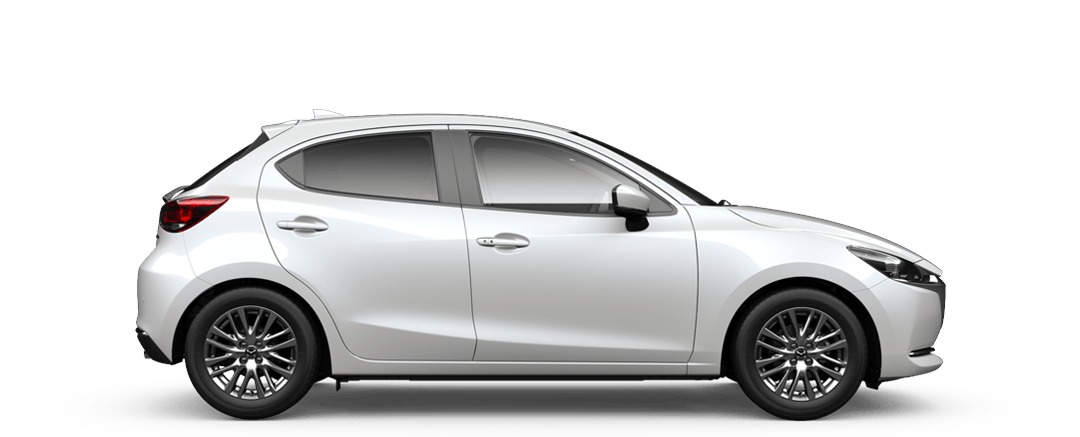
- Mazda2 – a nimble city car with low running costs
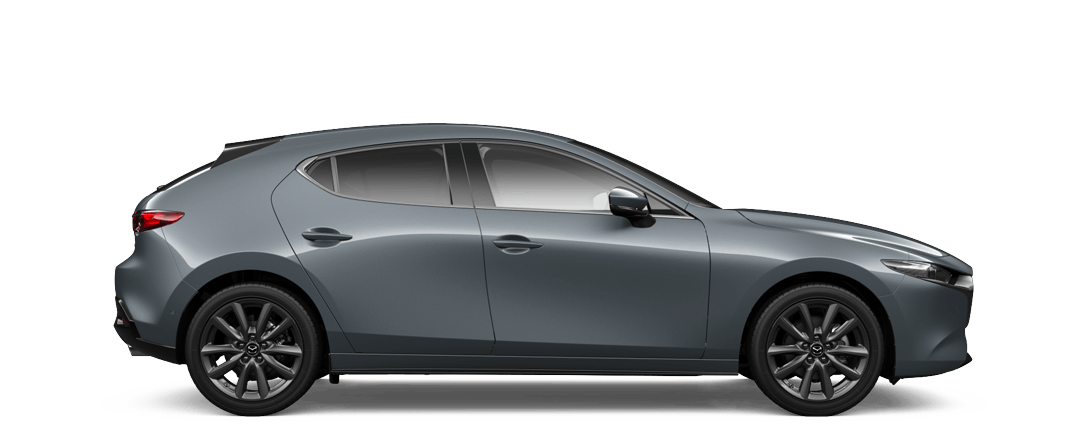
- Mazda3 – stylish, efficient, and fun to drive
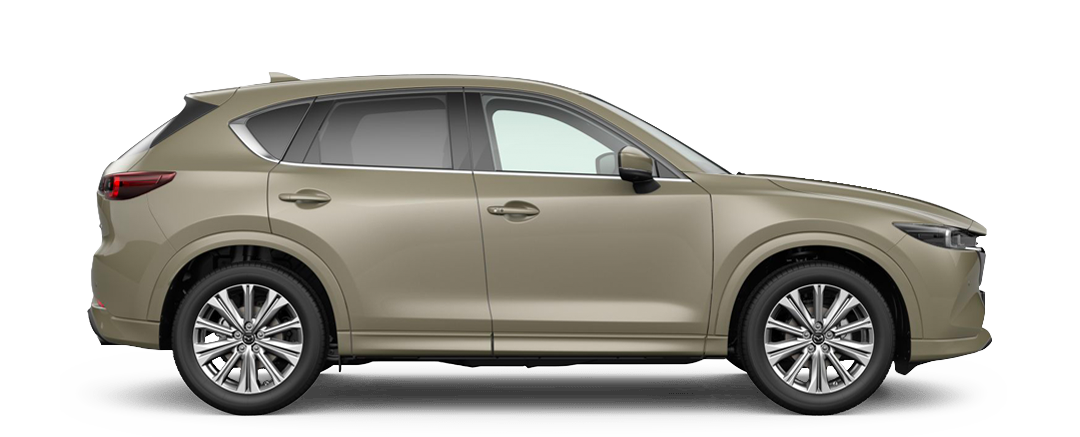
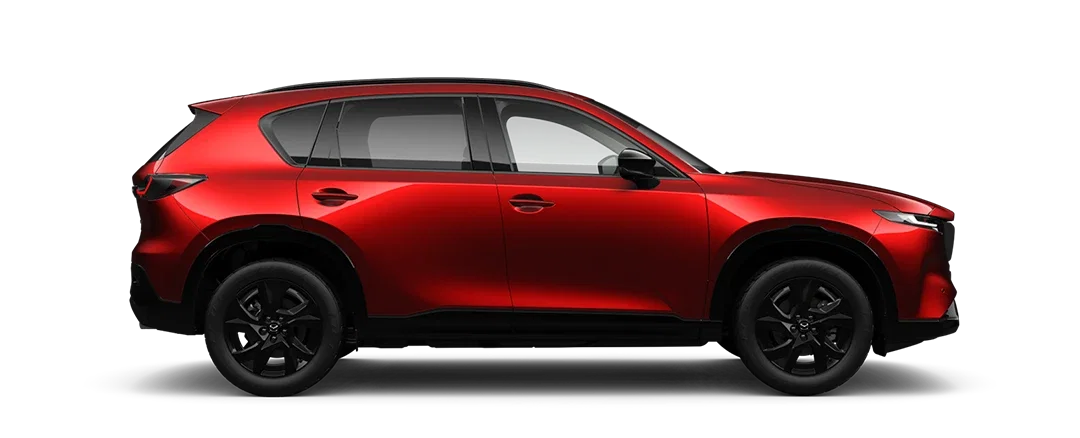
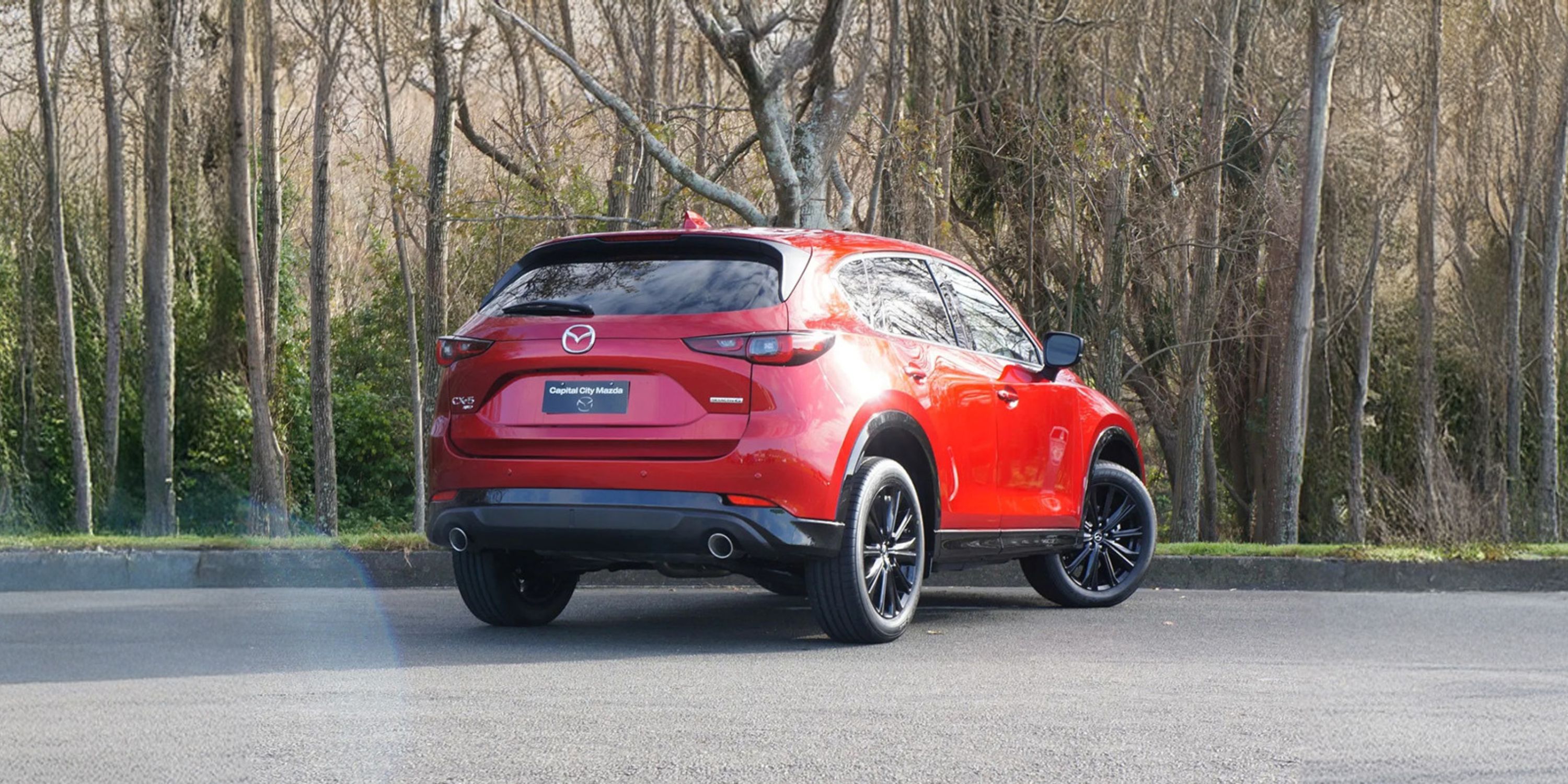
- Mazda CX-5 – a best-selling SUV that balances space with performance
- Mazda6 – a sophisticated sedan and wagon with excellent long-distance comfort
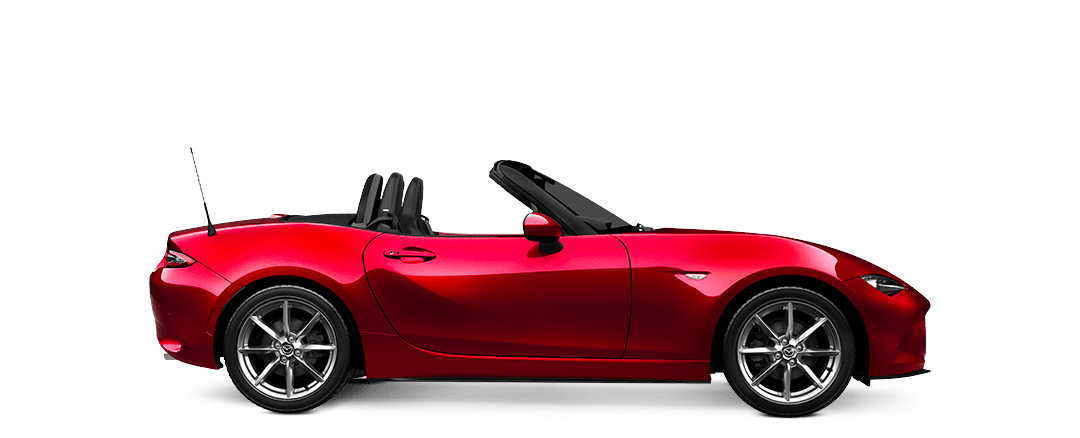
- Mazda MX-5 – the legendary roadster, light and perfectly balanced
Each of these models benefits from the SKYACTIV approach to engineering, giving drivers a smarter, more sustainable option without sacrificing fun.
The Future: SKYACTIV-X and Beyond
Mazda isn’t stopping here. The next evolution, SKYACTIV-X, is already available in select markets. This revolutionary engine uses compression ignition (like a diesel) in a petrol engine, combining the best of both technologies. It promises even lower emissions, better fuel efficiency, and responsive performance.
Mazda is also expanding its electrification strategy with SKYACTIV EV platforms, plug-in hybrids, and sustainable manufacturing practices proving their commitment to innovation goes beyond just engines.